Tuesday, 20 October 2009

Paper Making.

Yesterday I was lucky enough to be able to have a go at making my own paper. All thanks to Chris for organising it! :) What better way to experiment with what i actually PRINT onto, than to actually make my own paper.
Concentrating on 'print' it seems important that I investigate the paper culture and what is good to print onto traditionally and also in a commercial printing environment.
Not only does it make every bit of difference in how/what texture your print comes out. But also, I spoke about audience before and this seems to me to be as important as my own opinion.
Whilst making the paper, I also tried trapping things, and making different effects between the paper...one that worked really well was making a letter B out of some pink ribbon between layers of paper.
I'll get some images up soon of bits I made...I also tried to make a long bit of one paper, to possibly have a go at putting my wallpaper designs onto it...

Things I need to do in the coming weeks are also try printing onto the made paper, different techniques of print are surely going to come out differently?
Although I have received lots of different wallpaper samples throughout the last couple of weeks, I also need to look into ringing paper houses and getting paper samples as this is what I will possibly use as a practitioner in future.
What a rubbish post...sorry..i will make amends soon.

These two have tea leaves (top) in them and newpaper (bottom) in them...

Coffee granules...
Below is pink ribbon embedded to spell the letter B. However there are too many layers of paper on top to see it properly. The one below this is the back of the paper. With one layer of paper then the ribbon...


Monday, 19 October 2009

Duffield Printers.

Today, I visited a commercial printers in Kirkstall with Chris, Amber and Rob called Duffield Printers, which was organised by Paul! Thankyou!  They believe that the logic to the company is all about people and business relationships.
They also care greatly about being eco-friendly and kind to the enviroment. They specialise in litho technology and digital technology.
Whilst there today, we were spoken to and shown round by Clive Elston, their sales rep. we got to see how the files from clients get sent in and how the staff there then go about checking the pdf files, then to send the finalized pdf back to the client for them to double check it's all okay before going to print. They can get a job done between 24 hours, if its just a simple print job, but if the client wants embossing or.....'''''''''''....then it has to be sent off and this can take up to two weeks.
These requirements for print files included...
- Files can be prepared in either Quark OR InDesign, as long as they're saved as PDF files.
- Along with the files you send them, include any fonts or images within the document.
- All documents sent to them need a 3mm bleed.
- Remember 'trapping' could occur in your image when printed. (Similar to overlapping colours in screenprint) When you put a dark colour over a light it may make the dark colour over the light much, much lighter. If the dark colour was black, the black overlaying the lighter colour wouldn't be as black as the original black.
- Make sure images are in CMYK colouring, cant accept RGB.
- Lastly save the pages in their right order, where as in year 1 when we had to arrange the pages of our book correctly for print. Duffields, has a bit of software called 'Cockpit', which automatically does it.   
It was interesting to find out that they get most of their work from freelance designers rather than design agencies and businesses. This all came down to clients not wanting to pay the additional charges put to them through agencies. 
We were taken into the print room itself, where all the paper is stored, however they don't store much paper as it's very expensive, he explained that they can order paper at 6 o'clock in the evening and it would be with them by 7am the next morning. The print world works 24 hours!
In the print room they have 3 printers,  a 5 press lithograph printer; and a 10 press lithograph printer also an HP Indigo Digital Press. The 10 press printer is able to perfect the images. Clive told us that 'Perfect', is where you can print both sides of a document on one run through a printer; the machine reverses the sheets when they pass the fifth press. Amazing machinery! ...and some of it HUGE! Within the machinery was also a folding machine, which folds one piece of paper every second!

This was emailed to me by Sharon Long someone who worked at the printers, preparing images for print...


One suprisingly good work ethic at Duffield, is the fact that they offer competitive prices but if they feel they cannot take on a job and it would be better done somewhere else, they will turn it down.


One suprisingly good work ethic at Duffield, is the fact that they offer competitive prices but if they feel they cannot take on a job and it would be better done somewhere else, they will turn it down.

Saturday, 17 October 2009

Design.

Today I thought about how the textiles had inspired Metford Warner (from one of the rooms in Temple Newsam) and how he designed pattern and wallpapers based on many textiles he collected. 
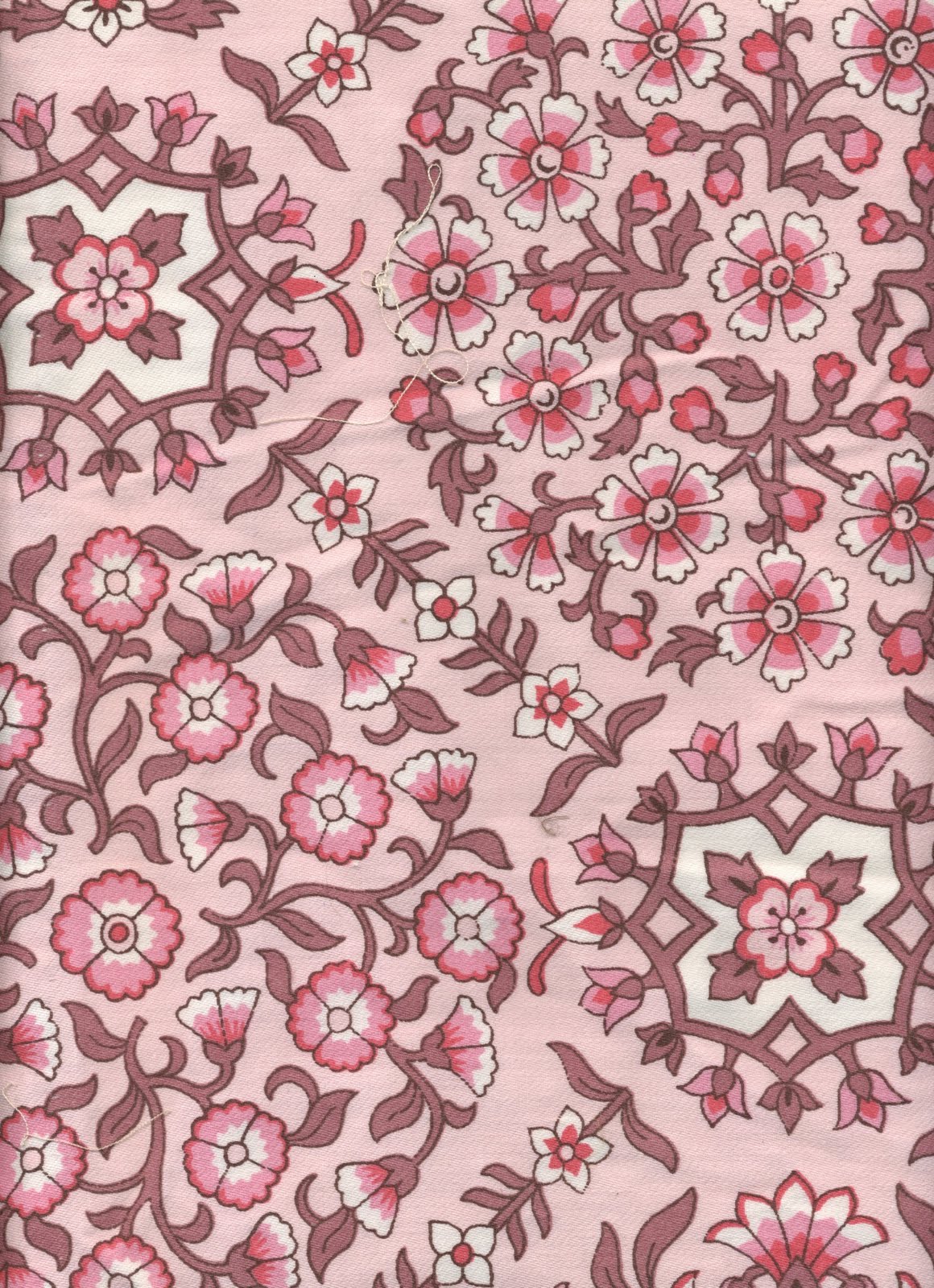
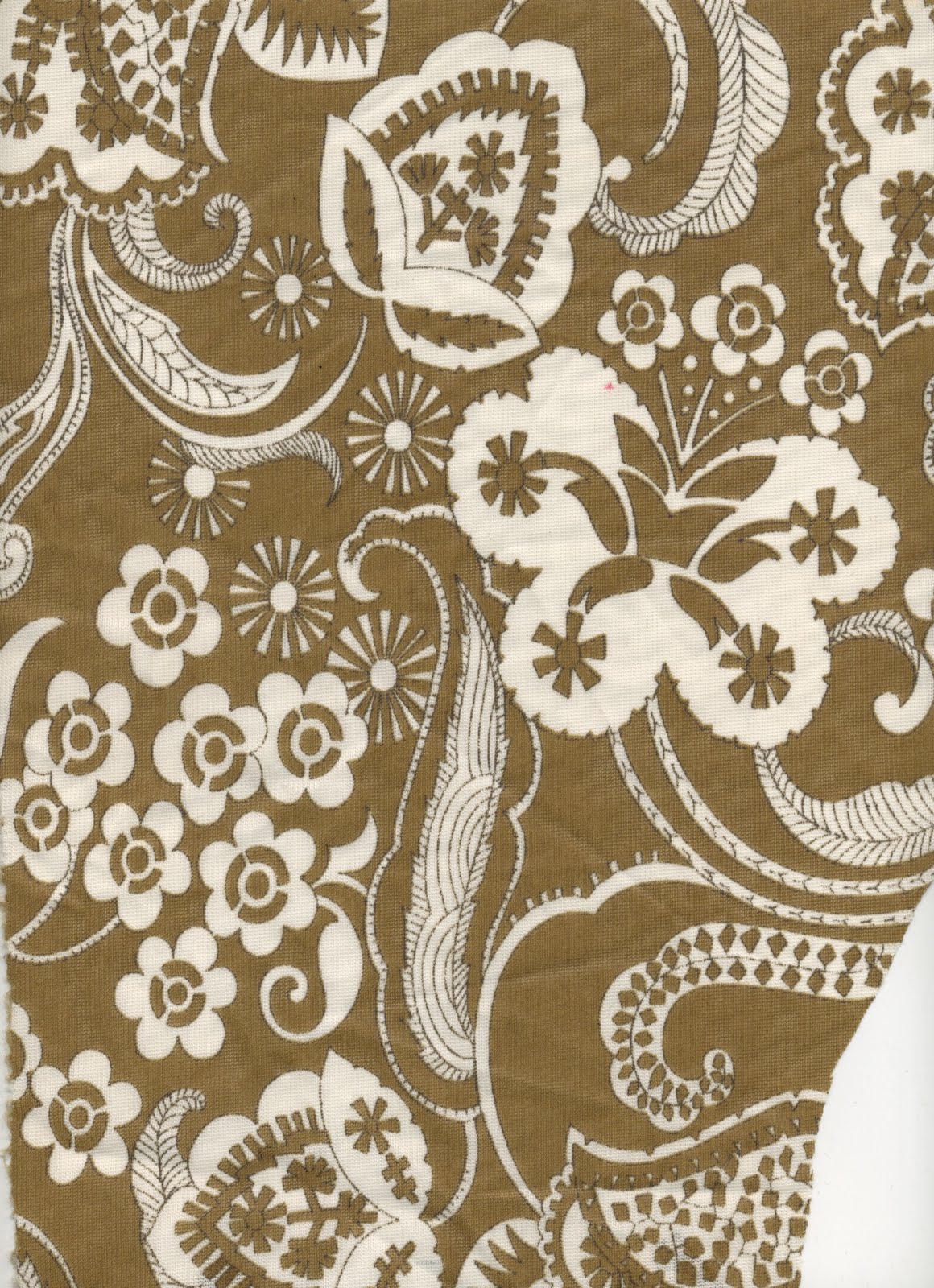
With this in mind today I went out and picked up a couple of fabrics I found in charity shops. I'm starting to design my own wallpaper whilst experimenting with print techniques. 


As a result many of the fragments in the cabinet at Temple Newsam have especially interesting or unusual pattern. The textiles range from the 17th century to the early 20th centuries. These are silks, cottons, linens, and embroided pieces. All which together provide an insight into devlopments in pattern design and manufacture.
A possibility and design idea I've had has come from looking at Clare Coles work, and so I' ve now decided one of the wallpapers I want to design is a mix of paper, fabrics and stitch.


Visiting Temple Newsam.


Well the number 40 bus was a hit!  ...seeing as I'm geographically challenged, I was pretty surprised when after a longg walk up a hill I actually arrived at the house and found Nick!

It was nice to get out of the city for once! The house was beautiful, and Nick showed us around telling us about it's history and more about its ancestors and going's on in the house over all the years it's been there.

Going there for the wallpaper, I was stunned as I walked in to every room. Each had a different wallpaper and different technique used to create it. Nick said that the wallpapers had actually been re-created over the last few years but from samples that were found around the house. One sample had been found in a fire place and then re-created!
In a couple of rooms there had been original wallpaper left on the walls and in frames for visitors to see. It was nice to compare the re-created paper with the historical, seeing the print technique used and also to see how old it truly was.


-It was hard to get any good photos as to photograph you needed written permission, being with Nick it was okay, but we were told to be discreet. Hence the AWFUL photos!-

In each room there appeared to be a different technique used, looking closely they were visible. In this paper, in looks a little like it could be fabric, when you look closer, as in the second picture, you can see that the edges of the design are all sewn round.


It was interesting to see that techniques had actually been mixed, for instance in the room below, flock had been mixed with what i thought looked like a screen print technique. What was even nicer is that from afar the printed papers looked pristine and crisp, but as you got closer you could see the real detail and marks made by the paint and texture made by the print technique and paint used.


In a room called 'GREEN ROOM', was a fantastic repeated pattern wallpaper in flock. It was amazing to look at. This is something I want to look into creating.


Another flock wallpaper within the house was this one... using the same colours as the other room, but with a not so repetitive design. Infact, this design in a big room, looked more like what's around today in the wonderful world of flock.


The most interesting story was about a Chinese inspired room, with a Chinese silk printed wallpaper of birds, nature and bird cages. The paper itself was supposed to de-picture what you would see as you looked out of a balcony window. The paper was designed by a guy called...' will found out...'and given to a lady at the house, who cut up his book/design. He was furious. If you look closely at the paper you can where the lady would have cut out from the wallpaper and so on some of the joins there have been placed birds and other images to try and blend it. In the picture below, bright blue little bird next to vase on the far left, has been placed on one of the joins!


In the house there was also a room containing historic textiles given to Temple Newsam by the private collector Roger Warner, who acquired many fabrics during his fifty years career as an antique dealer. They were mostly furnishings bought at country house sales. The rest he inherited from his grandfather, Metford Warner, who was the owner of a leading Victorian wallpaper printing firm, Jeffery & Co. of London. Metford Warner collected pieces of textile from many sources as design inspirations for is wallpapers.

As a result many of the fragments in the cabinet at Temple Newsam have especially interesting or unusual pattern. The textiles range from the 17th century to the early 20th centuries. These are silks, cottons, linens, and embroided pieces. All which together provide an insight into devlopments in pattern design and manufacture. 


Here are a couple more photos of rooms within the house, and also a couple of images of information about the restoration of one of the bedrooms and wallpaper. 


Thursday, 15 October 2009

Photo Etching.


Today I went to the print rooms to try out photo etching, It really is a very long and tedious process but is deffintly worth the 3 hours it took to prepare the copper plate!

'Etching is the process of using strong acid or mordant to cut into the unprotected parts of a metal surface to create a design inintaglio in the metal (the original process—in modern manufacturing other chemicals may be used on other types of material). As anintaglio method of printmaking it is, along with engraving, the most important technique for old master prints, and remains widely used today'. Wikipedia.

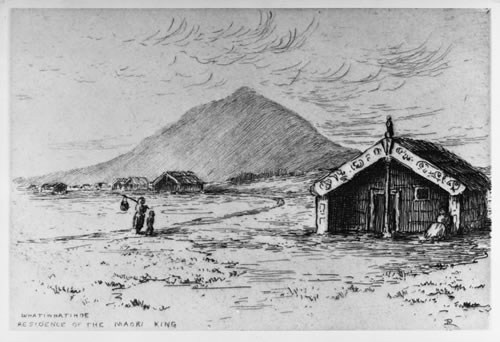
Etching of Maori King's residence, Whatiwhatihoe

This etching of Whatiwhatihoe, the residence of the Maori King, was made by Edward Payton about 1887. Mt Pirongia can be seen in the background.

After looking about for more information in etching, I came across lots of jewellery that had been etched onto. This is probably the most common way of seeing it?

Here is the original image and then it put onto tracing paper ready to be exposed onto the plate...


Here is my copper plate before...

...and after applying the image to the copper.


Theres' 2 ways of approaching photo etching, you can either print from the tones left on the plate from exposing the photo and plate to the light, which means you can then re-use the plate, getting rid of the print before. Or place the plate into an acid bath, etching your photo actually onto the plate, giving you a print tool forever.

Although we didnt etch this week, we made prints from the tonal one...and now will etch next week.

Most of the print techniques so far seem very time consuming, in their preperation, but the textures, thin/thickness and style of line have a quality like no other. It makes the work feel so much more personal and alomst special... each piece seems unique.

Here are some prints achieved with the plate as it was. It was a messy procedure with the sticky paint! Also you need to wet paper and dry it a little before you put it through the press, this draws the paint/ink out of the copper plate where you have put it...